Dissolvable Food Allergy Labels: A Cleaner Way to Mark Allergens in Busy Kitchens
Food allergy labels need to be clear. But in busy kitchens, they also need to be practical.
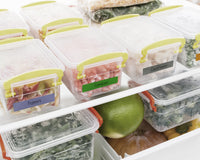
A label may start on a prep container, move to the cooler, travel with a catering tray, sit on a school cafeteria item, or help mark a bakery box before pickup. Then, when the container is ready to be washed and reused, that same label should not turn into a scraping project.
That is where dissolvable food allergy labels make sense.
They help kitchens mark common allergen information during prep, storage, service, or transport, then wash away when the container is ready to be cleaned. For schools, restaurants, cafeterias, bakeries, catering teams, and shared kitchens, that is a small detail that can make the daily routine cleaner and easier.
Why Clear Allergen Marking Matters
Food allergy information is not something people should have to guess about.
In the United States, the nine major food allergens are milk, eggs, fish, shellfish, tree nuts, peanuts, wheat, soybeans, and sesame. That is why a clear allergen label can be helpful in food prep settings. It gives staff a visible place to mark which common allergens apply to a container, tray, or prepared item.
Labels do not replace ingredient checks, kitchen procedures, staff training, or direct communication with customers and families. But they can help keep important information visible during a busy day.
The Problem With Regular Labels
Regular labels can work fine while they are on the container. The problem often starts later.
They peel halfway. They leave paper behind. They smear. They stick to containers after washing. Someone ends up scraping at the sink with a sponge, fingernail, or plastic scraper while the next stack of containers waits.
That may not sound like much, but in a school cafeteria, restaurant, bakery, or catering kitchen, little cleanup delays add up fast.
Dissolvable allergen labels are made for reusable food prep environments. You write on the label, mark the allergen boxes, apply it to the container, and wash it away when the container is done being used.
What Are Dissolvable Food Allergy Labels?
Dissolvable food allergy labels are writable labels used to mark allergen information on food containers and prepared items. They are designed to help during prep and storage, then dissolve with water during cleanup.
A helpful allergen alert label may include write-on fields for:
- Item
- Prep date
- Use by date
- Initials
Many allergen alert labels also include checkboxes for common allergens, such as:
- Milk
- Egg
- Fish
- Shellfish
- Tree nuts
- Peanut
- Wheat
- Soy
- Sesame
- Other
That format gives kitchens a consistent place to mark key allergen details instead of relying on random notes or memory.
Helpful for Schools and Cafeterias
Schools are a natural fit for dissolvable food allergy labels.
Cafeterias and lunchrooms often have food moving through different hands. One person may prep it. Another may store it. Someone else may serve it. When a container or prepared item needs allergen information, a clear label helps make that information easier to spot.
These labels can be useful for:
- School cafeterias
- Lunchrooms
- Classroom events
- Snack stations
- After-school programs
- Field trip food prep
- Teacher lounge food
- Church or community meals held at schools
The dissolvable part matters here too. School kitchens and cafeterias reuse containers often. A label that washes away helps reduce the mess of peeling and scraping old labels later.
Helpful for Restaurants, Bakeries, and Catering
Restaurants, bakeries, delis, caterers, food trucks, and commissary kitchens all have the same basic problem: food moves fast.
Allergen alert labels can help mark prep containers, sauce containers, bakery boxes, deli tubs, catering trays, storage bins, and meal prep containers. A 2" x 3" label gives more room than a small round label, which is helpful when staff need to write the item name, dates, initials, and checkbox details.
For bakeries, the checkbox format can be especially useful because common allergens like milk, egg, wheat, peanuts, tree nuts, soy, and sesame are often part of the conversation. For catering, clear labels are helpful because food may leave the kitchen and be handled by another team at the event.
Why Dissolvable Labels Are Cleaner for Reused Containers
The real benefit is simple: mark it now, wash it away later.
A dissolvable label gives you the visibility you need while the food is being stored or moved. Then, when the container is ready for washing, the label dissolves with water instead of needing to be peeled off.
That can help with:
- Less scraping at the sink
- Cleaner reusable containers
- Faster dish-area cleanup
- Fewer old label scraps
- Easier relabeling for the next use
In kitchens where containers are reused every day, that matters. Nobody wants yesterday’s label hanging around like it pays rent.
Good Labeling Habits for Allergen Alert Labels
A label is most helpful when everyone uses it the same way.
Here are a few simple habits that can help:
- Write clearly.
- Keep notes short.
- Check the allergen boxes carefully.
- Use the “other” box when needed.
- Add initials so the team knows who marked the item.
- Place the label where it is easy to see.
- Apply labels to clean, dry surfaces.
- Wash away old labels before reusing containers.
- Keep the roll near the prep area so staff can grab it quickly.
A good system does not have to be complicated. It just has to be clear enough for a busy shift.
What These Labels Should Not Replace
This is important.
Dissolvable food allergy labels are a helpful communication tool, but they are not a full allergy safety system by themselves.
They should not replace:
- Ingredient review
- Supplier label checks
- Kitchen allergy procedures
- Cross-contact prevention steps
- Staff training
- Customer or parent communication
- School or food service policies
Think of the label as a visible reminder and marking tool. It helps carry information, but the kitchen still needs the right process behind it.
Where to Use Dissolvable Allergen Labels
These labels are useful anywhere allergen information needs to be visible for a period of time, then washed away later.
Common places to use them include:
- Food prep containers
- School cafeteria containers
- Catering trays
- Bakery boxes
- Deli tubs
- Sauce containers
- Storage bins
- Meal prep containers
- Food truck prep bins
- Commissary kitchen containers
- Shared kitchen storage
- Event food containers
- Church kitchen containers
They are especially useful for reusable containers because the label does its job during prep or storage, then dissolves during cleanup.
A Small Label That Makes Cleanup Easier
Clear allergen marking matters. Clean, reusable containers matter too.
Dissolvable allergen labels give kitchens, schools, cafeterias, restaurants, bakeries, catering teams, delis, food trucks, and shared prep spaces a practical way to mark common allergen information without creating extra label cleanup later.
The best labels are easy to write on, large enough to read, simple to check off, and made for the real pace of kitchen work.
Ready to Make Allergen Labeling Easier?
Allergen Alert Dissolvable Food Labels are made for busy food prep spaces that need clear marking and easier cleanup. Each roll includes 500 writable dissolvable labels with fields for item, prep date, use by date, initials, and common allergen checkboxes.
Write it. Check it. Use it. Wash it away.