Want fewer headaches? Fewer expired stuff, wasted food or lost stock? Then you need FIFO.
It's all broken down here—exactly where to apply FIFO in your business (or home).
No fluff. Just the key locations and situations that will save you time, money and stress.
Use it and watch things run smoother...
Because if you’re not using FIFO to its full potential—you’re losing.
Disclaimer: This is by no means a complete list. In our 50+ years in the business, we found that every setup is different. Need help with your unique case? Get in touch—we’ll sort it out.
Table of Contents (so you can jump to your industry)
- For Medical Organizations
- For Educational Institutions
- For Food Producers and Distributors
- For Retailers
- For Logistics Services
- For Manufacturers and MRO Providers
- For Offices, Government, Churches and Information Technology Services
- For Personal Use
- Personal-Use Testimonials
For Medical Organizations: Hospitals, Pharmacies, Clinics, Veterinary Clinics, Medical Research Institutions and Laboratories
- Medications: Especially those with expiration dates that can affect efficacy or safety, like vaccines, antibiotics or any pharmaceuticals. Using FIFO ensures that the oldest stock is used first, reducing waste from expired drugs.
- IV solutions and injectables: These have strict shelf lives and their potency or sterility might decrease over time. Proper FIFO management is crucial for patient safety and to avoid wastage.
- Diagnostic reagents and test kits: These are often sensitive to time, temperature or exposure. Using them in the order they were received ensures accuracy in diagnostic results.
- Blood and blood products: Although managed with different systems, blood components like plasma or platelets have very short shelf lives, making FIFO essential for blood bank operations.
- Surgical supplies: Items like sutures or certain disposable instruments might have expiration dates to ensure sterility or performance, especially if they're packaged in a way that might degrade over time.
- Medical equipment with consumables: Items like filters for ventilators or catheters might need to be used in order of receipt to maintain optimal patient care standards.
- Pharmaceutical raw materials: Ingredients in drug manufacturing often have strict expiry dates. Using FIFO helps maintain product quality and compliance with regulations.
For Educational Institutions: Schools, Colleges, Universities, Training Centers, Research Institutions, Libraries And Educational Non-Profits
Educational Organizations:
- Textbooks and Course Materials: Especially if new editions come out frequently, ensuring that students use the most recent versions can be important. Older editions might be moved to reserves or sold off.
- Stationery and Supplies: Items like notebooks, pens or art supplies for school projects might have expiration dates or become outdated due to curriculum changes. FIFO helps in using these before they degrade or become irrelevant.
- Lab Chemicals and Materials: In science labs, chemicals have expiration dates. Using them in order of receipt ensures safety and effectiveness in experiments.
- Teaching Aids: Physical items like educational posters or kits, where newer versions might be more relevant or technologically compatible.
Libraries:
- Books and Periodicals: Libraries often deal with multiple editions or new publications. Certain popular or frequently updated titles (like bestsellers, textbooks or magazines) benefit from FIFO to ensure patrons have access to the latest information.
- Literature or Book Clubs: If a book club or library receives book suggestions, FIFO stickers could be applied to determine the reading order, ensuring that books suggested earlier get their turn, which might be particularly interesting in environments where newer, "trendier" books might otherwise overshadow classics or less-known works.
For Food Producers and Distributors: Farms, Ranches, Food Processing Plants, Wholesalers, Retailers and Foodservice Providers
- Fresh produce: Fruits, vegetables and leafy greens can spoil quickly if not used in the order they were received.
- Dairy products: Milk, cheese, cream and yogurt have specific shelf lives. Freshness is paramount for both taste and safety.
- Meat and poultry: Including fresh cuts, ground meat and poultry products that degrade over time, especially if not stored correctly.
- Bakery items: Bread, pastries and baked goods that have a short shelf life and lose quality rapidly.
- Prepared foods: Like deli salads, sandwiches or ready-to-eat meals which need to be sold or used before they go off.
- Seafood: Fresh fish and shellfish which are highly perishable.
- Eggs: Although they have a reasonable shelf life, they still require FIFO management to ensure they're used at their freshest.
- Perishable manufacturing materials: This could include materials in food processing like ingredients or semi-finished products, where freshness is critical.
For Retailers: Stores, Shops, Boutiques, Warehouse Clubs, Online Retailers, Pop-Up Stores and Outlet Stores
- Seasonal Items: Products that are only relevant for a short time, like holiday decorations or seasonal clothing.
- Health and Beauty Products: Items with expiration dates, like cosmetics, skincare or supplements where freshness impacts efficacy.
- Electronics: Especially with rapidly updating technology where older models can quickly become less desirable.
- Fashion and Apparel: For items with seasonal trends or where stock rotates frequently.
For Logistics Services: Third-Party Logistics (3PL) Providers, Courier Services, Transportation Providers and Reverse Logistics Providers
- Freight Containers and Pallets: Applying FIFO labels directly on containers or pallets helps ensure that the goods loaded onto ships, trucks or into warehouses are unloaded and distributed in the order they were received. This is particularly important for perishable goods or items with a shelf life.
- Parcels and Packages: For smaller items, FIFO labels can guide the order in which packages are sorted, loaded or delivered, especially in busy sorting facilities or when managing backlogs.
- Warehouse Inventory: Goods stored in warehouses, whether they're bulk items or individual products, can be labeled with FIFO stickers to guide pickers in selecting the oldest items first during order fulfillment.
- Returnable or Repackaged Goods: Items that are returned or repackaged might have new labels but still need to follow FIFO principles if their quality or relevance can deteriorate over time.
For Manufacturers and MRO (Maintenance, Repair and Operations) Providers: Job Shops, Batch Process, Discrete, HVAC, Auto Repair, Spare Parts and Facility Management
- Components with a short shelf life: Items like chemicals, adhesives or certain types of fasteners that degrade or lose effectiveness over time. FIFO ensures that the oldest stock is used first, minimizing waste due to expiration or degradation.
- Electronics components: Especially parts like batteries or capacitors where performance can degrade over time or where technology changes rapidly, making older stock obsolete.
- Automotive parts: Particularly fluids, gaskets or any components that might be affected by aging or environmental conditions.
- Packaging materials: If the packaging materials are sensitive to environmental conditions (like moisture or light), using them in the order they are received helps maintain the integrity of the product.
For Offices, Government, Churches and Information Technology Services:
Offices:
- Office Supplies: Items like printer ink, paper, pens, and toners. Using older stock first ensures that supplies are used before they degrade or become obsolete.
- Documents and Records: In archival or records management, older documents might be processed first for digitization or disposal if they're no longer needed, freeing up space.
- Task Management in Projects: Use FIFO stickers on task cards in project management. Here, tasks that have been "in the system" the longest get priority, ensuring long-standing issues or ideas don't get forgotten. This could be particularly useful in environments where new tasks or projects are constantly introduced, potentially overshadowing older ones.
- Employee Suggestions or Feedback: You could use FIFO labels on suggestion forms or feedback. This would mean addressing the oldest suggestions first, ensuring that employee ideas do not get lost in the shuffle of new inputs. It promotes a culture where every idea gets its due time, regardless of when it was proposed.
Government Agencies:
- Forms and Publications: Government forms, informational pamphlets or regulatory documents that might have updates. FIFO ensures the public has access to the most current versions.
- Equipment and Technology: Computers, software, or other tech where older versions might be phased out. FIFO helps in distributing or using these items before they become unsupported or obsolete.
- Document Processing in Government or Legal Offices: For documents like permits, applications or legal filings, FIFO stickers could be used to ensure processing in order of receipt rather than by influence or urgency perceived by staff, promoting fairness and transparency in service delivery.
Churches:
- Religious Texts and Materials: If there are seasonal or event-specific materials, using older versions first can minimize waste, especially with items like hymnals or educational materials for classes.
- Supplies for Events: Candles, communion supplies or other materials for regular or seasonal services. FIFO helps manage inventory for these recurring events.
IT Departments:
- Hardware: From servers to desktops, ensuring older equipment is used or reassigned before new purchases are necessary.
- Consumables: Like backup tapes or media where expiration dates or technology updates make FIFO relevant.
For Personal Use
Applying FIFO stickers for personal use can inspire some creative and practical ways to manage personal items or tasks, leveraging the principle of using or addressing the oldest first. Here are some unconventional personal applications:
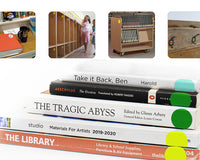
- Books to Read or Watchlist: Stick FIFO labels on books. This ensures you tackle your reading in the order you added them, helping you remember older titles you might have forgotten.
- Personal Projects or Hobbies: If you have multiple crafting projects, DIY tasks or hobby items, label them with FIFO stickers. This can help you focus on completing or using materials from projects you started longest ago, potentially reducing clutter or unfinished projects.
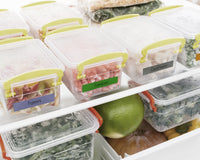
- Grocery Items or Pantry Management: While this is somewhat conventional, using FIFO labels on pantry items like spices, condiments or non-perishables can remind you to use older stock before buying new, reducing waste and ensuring you rotate your food supply.
- Clothing Rotation: For clothes you buy but don't wear often, especially seasonal items, a FIFO label could indicate when you last wore or bought an item, encouraging you to wear older purchases before buying new ones.
- To-Do List or Task Management: Label tasks or reminders with FIFO stickers based on when they were added to your list. This can help ensure long-standing tasks don't get perpetually postponed in favor of new ones.
- Mail and Paperwork: Use FIFO labels on unopened mail or documents that need attention. This practice can help you deal with paperwork in the order received, potentially reducing clutter and ensuring important documents don't get lost.
Personal-Use Testimonials
Several times … the sticker reminded me…
“These are working out great! I picked these stickers up to add to plop on open food containers, to help keep things organized in our fridge. They've stuck well to everything I've tried them on so far; even sweaty water bottles. And they're very helpful. Several times I thought to myself "I opened that on Tuesday" and the sticker reminded me I had really opened it Sunday! They were an excellent find and I am super happy to have these.”
-A.Mom
I am a nursing mom and pump while at work
“I store bottles of milk in the fridge for up to 3 days, so I needed a way to label them by day. I was using torn up post-it’s but my husband purchased these for convenience. They work great! They’re easy to remove while having adhesion strong enough for the time I need them to stick.”
-akosaurus